
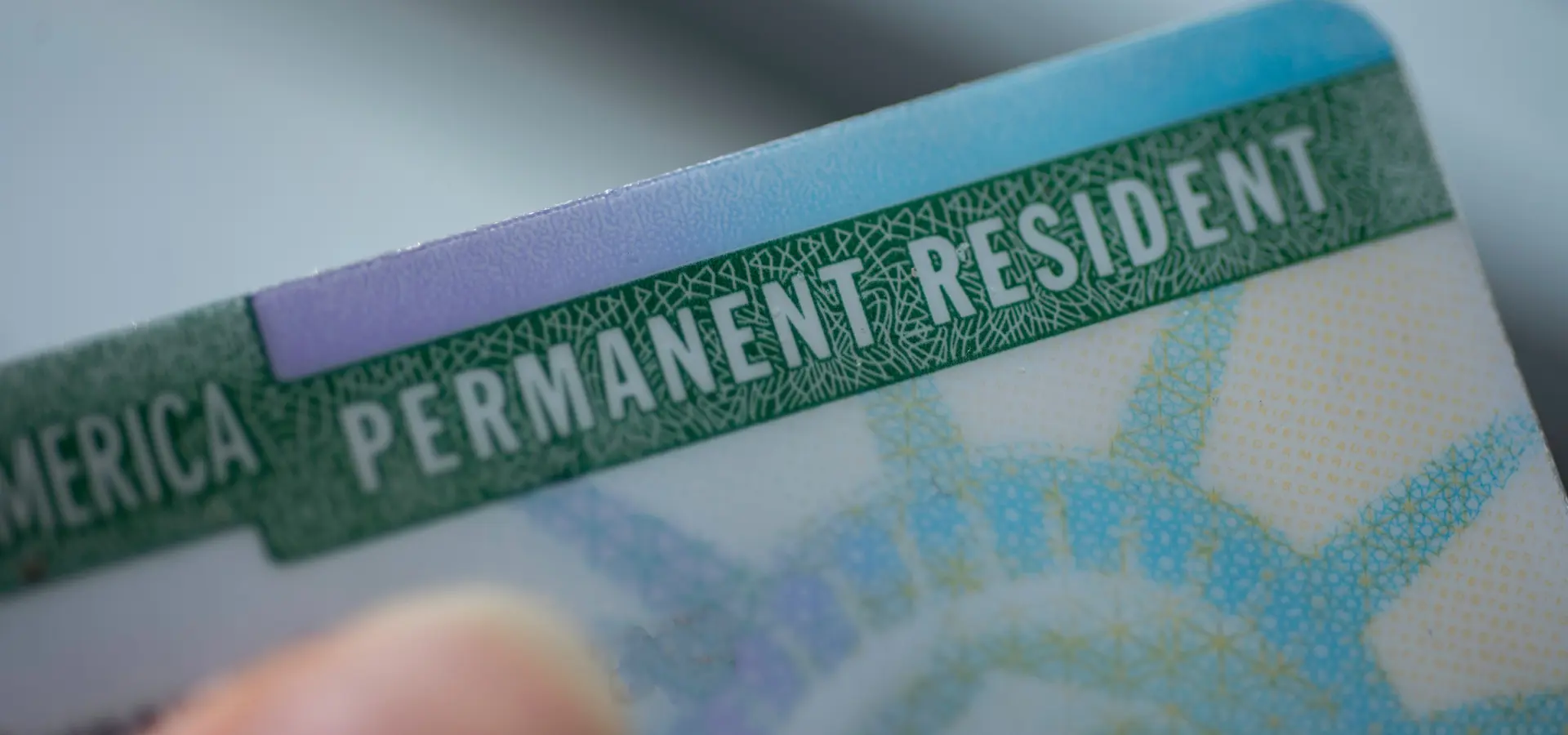
Moving to a new country is more than just packing bags; it is about building a new life. If you want to live, work, and stay in a foreign country without the fear of visa expiry, permanent residency is your golden ticket.
At Beyond Border Consultants, we have spent over 30 years helping families, students, and professionals navigate the complex world of immigration. We know that getting permanent residency can feel overwhelming. The rules change often, and the paperwork never seems to end.
This guide explains exactly what permanent residency is, why you should want it, and the specific steps to get it in top destinations like Canada, Australia, and the UK.
What Is Permanent Residency?
Permanent residency is a legal status that allows you to live and work in a country indefinitely, even though you are not a citizen.
Think of it as a middle ground between a temporary visa (like a student or work permit) and full citizenship. As a permanent resident, you enjoy most of the rights that citizens do, such as access to free healthcare and public education. However, you cannot vote in elections or hold a passport for that country immediately.
You May Like This Also – Ultimate and Empowering Guide to France Visa Application Process 2025
Permanent Residency vs. Citizenship
Many of our clients at Beyond Border Consultants ask us if permanent residency is the same as citizenship. It is not. Here is the simple breakdown:
| Feature | Permanent Residency | Citizenship |
| Right to Live | Indefinite (must meet stay requirements) | Forever (cannot be taken away easily) |
| Passport | No (you keep your home country passport) | Yes (you get the new country’s passport) |
| Voting Rights | No | Yes |
| Renewal | Yes (card needs renewal every 5-10 years) | No renewal needed |
| Deportation | Possible (if you commit serious crimes) | Not possible |
Why Should You Apply for Permanent Residency?
Securing permanent residency changes your life. It gives you stability and freedom that a temporary work visa simply cannot offer.
1. Freedom to Work and Study
With permanent residency, you are not tied to one employer. You can switch jobs, start your own business, or go back to school without needing a new sponsor. This freedom allows you to chase better salaries and career growth.
2. Family Sponsorship
Once you have your permanent residency, you can often bring your family members to join you. Most countries allow you to sponsor your spouse and children so they can live, work, and study with you.
3. Access to Social Benefits
Countries like Canada and Australia offer incredible social support. As a holder of permanent residency, you gain access to universal healthcare (free doctor visits and hospital stays) and free education for your children in public schools.
4. Path to Citizenship
Permanent residency is the main stepping stone to becoming a citizen. After living in the country for a specific number of years (usually 3 to 5), you can apply for a passport and full citizenship.
Top Countries for Permanent Residency in 2025
Different countries have different rules. Based on our three decades of experience at Beyond Border Consultants, these are the most popular and accessible pathways right now.
Canada: The Express Entry Route
Canada is famous for its welcoming approach to immigrants. The most common way to get permanent residency here is through the Express Entry system.
- How it works: You get points for your age, education, work experience, and English/French language skills.
- The Cut-off: If your score is high enough, the Canadian government invites you to apply.
- Why it is great: It is fast. Many of our clients receive their approval in as little as six months.
Australia: Skilled Migration
Australia offers a high quality of life and great weather. Their permanent residency system focuses heavily on your job skills.
- The Points Test: Like Canada, Australia uses a points system. You need to be under 45 years old and have a job on their “Skilled Occupation List.”
- State Nomination: You can get extra points if a specific Australian state (like Victoria or New South Wales) nominates you because they need your specific skills.
United Kingdom: Indefinite Leave to Remain (ILR)
In the UK, permanent residency is called “Indefinite Leave to Remain.”
- The 5-Year Route: typically, you must live and work in the UK on a valid visa (like the Skilled Worker Visa) for five years.
- Life in the UK Test: You must pass a test about British history and traditions.
- Income Requirement: You often need to earn above a certain salary threshold to qualify.
General Requirements for Permanent Residency
While every country is different, the core requirements for permanent residency usually look similar. To have a strong application, you typically need:
- Age: Younger applicants (usually 25–35) often get more points.
- Education: A Master’s degree or higher boosts your chances significantly.
- Work Experience: You usually need at least 3 years of skilled work experience.
- Language Proficiency: You must prove you can speak, read, and write in the country’s main language (English scores like IELTS or PTE are crucial).
- Clean Record: You must provide a police clearance certificate to show you have no criminal history.
- Medical Health: A standard medical exam is required to ensure you are in good health.
The Application Process: Step-by-Step
Applying for permanent residency is a process that demands patience and accuracy. A single mistake on a form can lead to a rejection. Here is the general flow we follow with our clients:
Step 1: Eligibility Check
Before you spend money on fees, check if you qualify. Beyond Border Consultants offers a free initial assessment to see which country and visa type suits your profile best.
Step 2: Educational Credential Assessment (ECA)
If you studied outside the country you are moving to, you must prove your degree is valid. An agency will check if your foreign degree is equal to a local one.
Step 3: English Language Test
Book your IELTS, PTE, or CELPIP test early. Aim for a high score, as this is the easiest way to boost your points for permanent residency.
Step 4: Submit Your Expression of Interest (EOI)
Create an online profile with the immigration department. This is not the full application yet; it is you telling the government, “I am interested.”
Step 5: Receive an Invitation to Apply (ITA)
If the government likes your profile and your score is high enough, they will invite you to submit the full application. This is the golden email every applicant waits for.
Step 6: Submit Documents and Wait
Upload your birth certificate, passport copies, work reference letters, and medical results. Processing times vary from 6 months to 2 years depending on the country.
Common Mistakes to Avoid
In our 30 years of experience, we have seen many capable people get rejected for simple errors.
- Inconsistent Job Titles: Ensure the job title on your reference letter matches the standard job code (like NOC in Canada) you applied under.
- Expiring Documents: Your passport and language test results must be valid throughout the entire process.
- Hidden History: Never hide a past visa rejection or a minor legal issue. Immigration officers will find out, and they will ban you for lying.
How Beyond Border Consultants Can Help
Getting permanent residency is one of the biggest decisions you will ever make. It affects your career, your family, and your future. You do not have to do it alone.
At Beyond Border Consultants, we treat your application like it is our own. We do not just fill out forms; we build a strategy. We look at your profile, identify gaps, and help you fix them before you apply. Whether you need help improving your points score or choosing the right province to settle in, our team is here to guide you.
How long does permanent residency last?
The status is usually valid for life, but the physical card (like a Green Card or PR Card) needs to be renewed every 5 or 10 years.
Can I lose my permanent residency status?
Yes. If you stay outside the country for too long (e.g., more than 3 years in a 5-year period for Canada), you may lose your status. Serious criminal convictions can also lead to revocation.
Does buying a house give me permanent residency?
Generally, no. Buying property does not automatically grant you permanent residency in countries like Canada, Australia, or the UK. However, some European countries offer “Golden Visas” based on property investment.
Can I work anywhere with permanent residency?
Yes! Unlike a work permit that ties you to one boss, permanent residency gives you the right to work for any employer in any city within that country.